

ART for Survivors of Medical Trauma: Healing Emotional Wounds Beyond Physical Recovery
Medical trauma can leave lasting emotional scars that extend far beyond the physical healing process. Survivors often struggle with fear, anxiety, and intrusive memories long after treatment ends. Accelerated Resolution Therapy (ART) offers a powerful way to reframe these painful experiences, reduce symptoms, and restore a sense of peace. This post explores how ART helps survivors of medical trauma heal and move forward with resilience.

How Accelerated Resolution Therapy Helps First Responders and Healthcare Workers Manage Trauma
First responders and healthcare workers carry invisible weight: critical incidents, moral injury, and the relentless pressure to perform. Accelerated Resolution Therapy (ART) offers a fast, structured way to process traumatic images and sensations without reliving every detail. This guide explains how ART works, why it fits high-stakes professions, and how it helps you return to the job with clarity, calm, and confidence.

The Science Behind Eye Movements in ART Therapy
Eye movements in Accelerated Resolution Therapy (ART) may seem simple, but they play a profound role in helping the brain process trauma, stress, and stuck emotions. This post explores the fascinating science behind why these movements matter, how they promote healing, and what makes ART uniquely effective for a wide range of mental health challenges.

ART for Self-Esteem: Reframing How You See Yourself
Low self-esteem can feel like an invisible barrier, influencing how you think, feel, and interact with the world. Accelerated Resolution Therapy (ART) offers a powerful way to change how you see yourself by resolving past experiences that fuel self-doubt, replacing negative self-beliefs with confidence, resilience, and self-compassion.
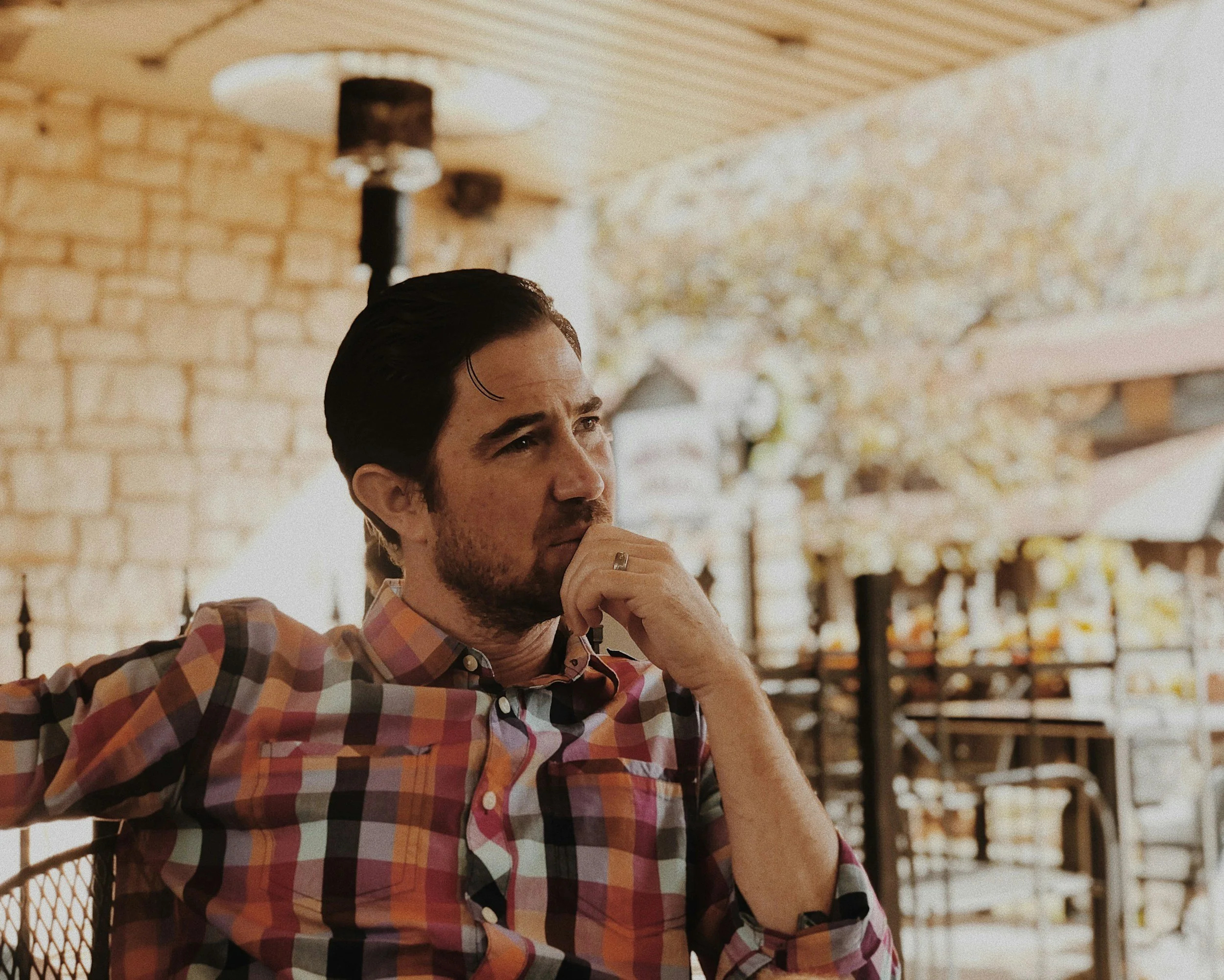
Using ART to Heal After Divorce or Breakup
Divorce and breakups can be among the most emotionally painful experiences in life, leaving behind heartbreak, grief, and lingering self-doubt. Accelerated Resolution Therapy (ART) offers a powerful, neuroscience-based approach to processing the emotional aftermath of relationship loss, helping you find closure, release pain, and move forward with strength and clarity.

How ART Can Help You Stop Repeating Unhealthy Relationship Patterns
Do you feel like you’re stuck in the same relationship cycles—choosing partners who hurt you, struggling with trust, or sabotaging connections you want to keep? Accelerated Resolution Therapy (ART) helps identify and heal the root causes of these patterns, allowing you to break free from the past and create healthier, more fulfilling relationships.

ART for Attachment Issues: Rebuilding Trust and Security
Attachment issues often stem from early relational wounds, leaving lasting impacts on how we trust, connect, and feel secure in relationships. Accelerated Resolution Therapy (ART) offers a powerful, neuroscience-based approach to healing these attachment injuries, allowing you to reprocess painful memories, reduce emotional triggers, and cultivate healthier, more secure bonds.

Healing Relationship Wounds Through Accelerated Resolution Therapy
Relationship wounds—whether from betrayal, neglect, or heartbreak—can leave lasting emotional scars that impact how we connect with others. Accelerated Resolution Therapy (ART) offers a powerful way to process these painful experiences, quiet emotional triggers, and rebuild trust in yourself and your relationships.

The Connection Between Accelerated Resolution Therapy (ART) and Self-Compassion
Self-compassion is essential for emotional healing, but many people struggle to offer themselves the same kindness they give to others. Accelerated Resolution Therapy (ART) helps quiet self-criticism, release shame, and build a foundation of self-acceptance—transforming how you relate to yourself from the inside out.

ART and Emotional Regulation: Finding Peace Within
Emotional regulation is essential for navigating life’s challenges with balance and resilience, but unresolved pain and stress can make it feel impossible. Accelerated Resolution Therapy (ART) offers a powerful, neuroscience-backed way to regulate emotions, quiet inner turmoil, and cultivate lasting peace from within.

When Sadness Lingers: How ART Can Help You Move Forward
Lingering sadness can feel heavy, unrelenting, and impossible to escape. Accelerated Resolution Therapy (ART) offers a powerful, neuroscience-backed approach to help you process what’s holding you back, lift the emotional weight, and create space for healing and forward movement.

How Accelerated Resolution Therapy (ART) Can Quiet the Overthinking Mind
Overthinking can feel relentless, but Accelerated Resolution Therapy (ART) offers a neuroscience-based approach to quiet the mental noise. By reprocessing intrusive thoughts and calming an overactive brain, ART helps restore mental clarity, peace, and focus.

Breaking the Cycle: How ART Supports Survivors of Generational Trauma
Generational trauma can feel inescapable, but Accelerated Resolution Therapy (ART) offers hope. By addressing inherited emotional pain and rewiring the brain’s trauma response, ART helps survivors break free from the patterns passed down through families and reclaim their future.

Why ART Is Changing the Way We Treat Childhood Trauma
Accelerated Resolution Therapy (ART) offers a groundbreaking approach to childhood trauma treatment by helping survivors reprocess painful memories without reliving them. Backed by neuroscience and clinical research, ART is reshaping how we help people heal from the lasting effects of early trauma.

From Flashbacks to Freedom: How Accelerated Resolution Therapy (ART) Helps You Heal Without Reliving Pain
Accelerated Resolution Therapy (ART) helps people heal from trauma by rewiring how the brain stores distressing memories—without forcing them to relive painful details. Learn how this breakthrough therapy transforms flashbacks into peace and freedom.

The Neuroscience Behind Accelerated Resolution Therapy (ART): Why It Works for Trauma and PTSD
Accelerated Resolution Therapy (ART) helps rewire the brain’s trauma circuits using eye movements, imagery rescripting, and memory reconsolidation. Neuroscience explains why ART can dramatically reduce PTSD and trauma symptoms in just a few sessions.

Understanding ACT: Acceptance and Commitment Therapy Interventions and Benefits
Acceptance and Commitment Therapy (ACT) is a unique and effective approach to mental health treatment. Rooted in mindfulness and behavioral change, ACT helps individuals accept their thoughts and feelings rather than fighting or feeling guilty for them. This blog post will explore the principles of ACT, various ACT therapy interventions, and how ACT can be used to improve mental health and well-being.

Using Art Therapy Activities to Alleviate Anxiety
Anxiety can be overwhelming, affecting every aspect of life from personal relationships to professional performance. While traditional therapies like Cognitive Behavioral Therapy (CBT) are effective, many individuals find significant relief through creative outlets. Art therapy, in particular, offers a unique and powerful approach to managing anxiety. In this blog post, we will explore various art therapy activities designed to help reduce anxiety and promote mental well-being.

Transforming Relationships: An Introduction to Emotionally Focused Couples Therapy
Maintaining a healthy, fulfilling relationship requires effort, understanding, and effective communication. When challenges arise, it’s crucial to have the right tools to navigate them. Emotionally Focused Couples Therapy (EFT) is a powerful, evidence-based approach designed to help couples reconnect and strengthen their emotional bonds. In this blog post, we will explore what emotionally focused couples therapy is, how it works, and the benefits it offers for relationships.

Unlocking the Power of CBT: Techniques and Exercises for Transformative Mental Health
Cognitive Behavioral Therapy (CBT) is a highly effective, evidence-based approach to addressing a range of mental health issues, including anxiety, depression, and stress. By focusing on the relationship between thoughts, feelings, and behaviors, CBT helps individuals develop healthier thinking patterns and coping strategies. In this blog post, we will explore various CBT techniques and exercises designed to empower you on your journey toward better mental health.