

Why Am I So Tired All the Time? Understanding Trauma-Related Exhaustion
If you feel chronically tired no matter how much you rest, your fatigue may be rooted in more than stress or lifestyle patterns. Unprocessed trauma can slowly drain the nervous system until exhaustion becomes a daily experience. ART helps restore energy by resolving the emotional strain that keeps the body in survival mode.

Why Am I So Sensitive Lately? When “Being Too Emotional” Is Actually a Trauma Response
If you feel like you’re crying more easily, reacting more intensely, or struggling to regulate your emotions, you’re not “too sensitive.” Emotional sensitivity is often a sign that the nervous system is overwhelmed by experiences you may not even recognize as trauma. ART helps calm emotional reactivity without requiring you to retell the stories that shaped it.

Trauma That Looks Like “I Overreact to Small Things”: Emotional Intensity as a Trauma Symptom
If your emotional reactions feel bigger than the situation deserves, trauma—not personality—may be driving your responses. Trauma affects emotional regulation, causing intense reactions, irritability, or overwhelm. ART helps reset the emotional system and reduce reactivity.

Trauma That Looks Like “Why Do I Shut Down During Conflict?”: Freeze Responses and How ART Helps
If arguments make you go blank, freeze, or lose your words, trauma—not weakness—may be to blame. The freeze response is a common reaction to past overwhelming experiences. ART helps rewire the nervous system so you can respond rather than shut down.

Trauma That Looks Like “Why Am I So Tired All the Time?”: Exhaustion as a Trauma Response
If you feel exhausted no matter how much you sleep, trauma may be draining your energy. Chronic fatigue is one of the most overlooked symptoms of unresolved trauma. ART helps regulate the nervous system so your body can finally rest.

Trauma That Looks Like “Why Can’t I Remember Things?”: Memory Problems as a Trauma Symptom and How ART Helps
If you’re forgetting conversations, misplacing things, or struggling to focus, trauma may be affecting your memory. Learn why trauma disrupts the brain’s ability to store and retrieve information—and how ART helps repair these pathways.

Trauma That Looks Like “I’m Always on Edge”: Understanding Hypervigilance and Healing with ART
When you feel constantly on alert—scanning for danger, startling easily, and never fully relaxing—it might be more than stress. Hypervigilance is one of the most common signs of unresolved trauma. Accelerated Resolution Therapy (ART) helps calm your nervous system and retrain your brain to feel safe again.

Why You Can’t Sleep: Trauma’s Impact on Insomnia, Nightmares & Restlessness
If your mind races, your body won’t relax, or nightmares keep you awake, trauma may be disrupting your sleep cycle. ART can help restore deep, restorative sleep.

Why You Shut Down in Conflict: Freeze Responses as Trauma Symptoms
If you shut down, go blank, or can’t speak during conflict, this may be a trauma-based freeze response—not avoidance. ART can help the nervous system stay present under stress.

Why You Feel Numb: Emotional Numbing as a Trauma Response
Feeling disconnected, indifferent, or “flat” can be a sign of trauma-related emotional numbing—not a lack of caring. ART helps restore emotional access safely.

Why You Overreact to Small Things: Understanding Trauma Triggers
If your reactions feel “too big for the situation,” trauma may be driving emotional triggers. ART can help you respond from the present, not the past.
Why You’re Always on Edge: The Hidden Link Between Hypervigilance and Trauma
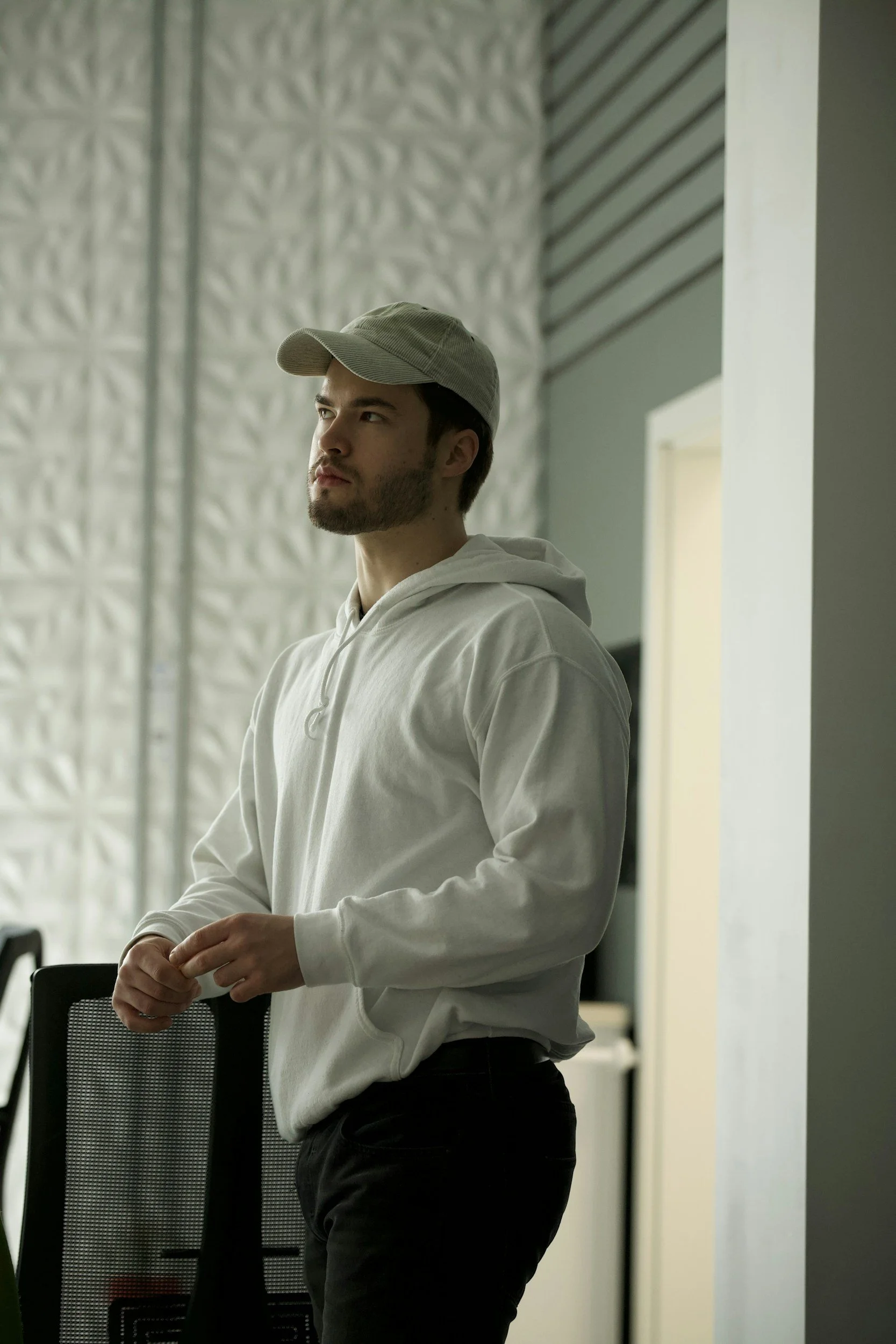
If you constantly scan your environment, feel easily startled, or can’t relax, hypervigilance may be a sign of unresolved trauma. ART offers a fast and effective treatment option.

Why Bilateral Stimulation Helps Release Trauma Stored in the Body
Trauma lives in the body—tight muscles, stomach issues, chronic pain, racing heart. Bilateral stimulation helps release this stored trauma without needing to analyze it.

Why Bilateral Stimulation Helps Release Trauma Stored in the Body
Trauma lives in the body—tight muscles, stomach issues, chronic pain, racing heart. Bilateral stimulation helps release this stored trauma without needing to analyze it.

ART for People Who Shut Down, Go Blank, or Freeze in Talk Therapy
If you freeze, go blank, or feel emotionally numb in therapy, it’s not resistance—it’s trauma physiology. ART offers a way to heal without needing words.

How Bilateral Stimulation Helps Highly Cognitive Clients Who Struggle to “Feel”
Some clients live in their heads, not their bodies. Bilateral stimulation helps bypass intellectual defenses so emotional processing can finally occur.

Why Some Trauma Can’t Be Talked About—and How ART Offers a Different Path
Some trauma is unspeakable—not because clients don’t want to heal, but because the brain has no words for it. ART offers a powerful solution that allows transformation without revisiting every detail.
Healing Without Rehashing: How Bilateral Stimulation Helps the Brain Resolve Trauma
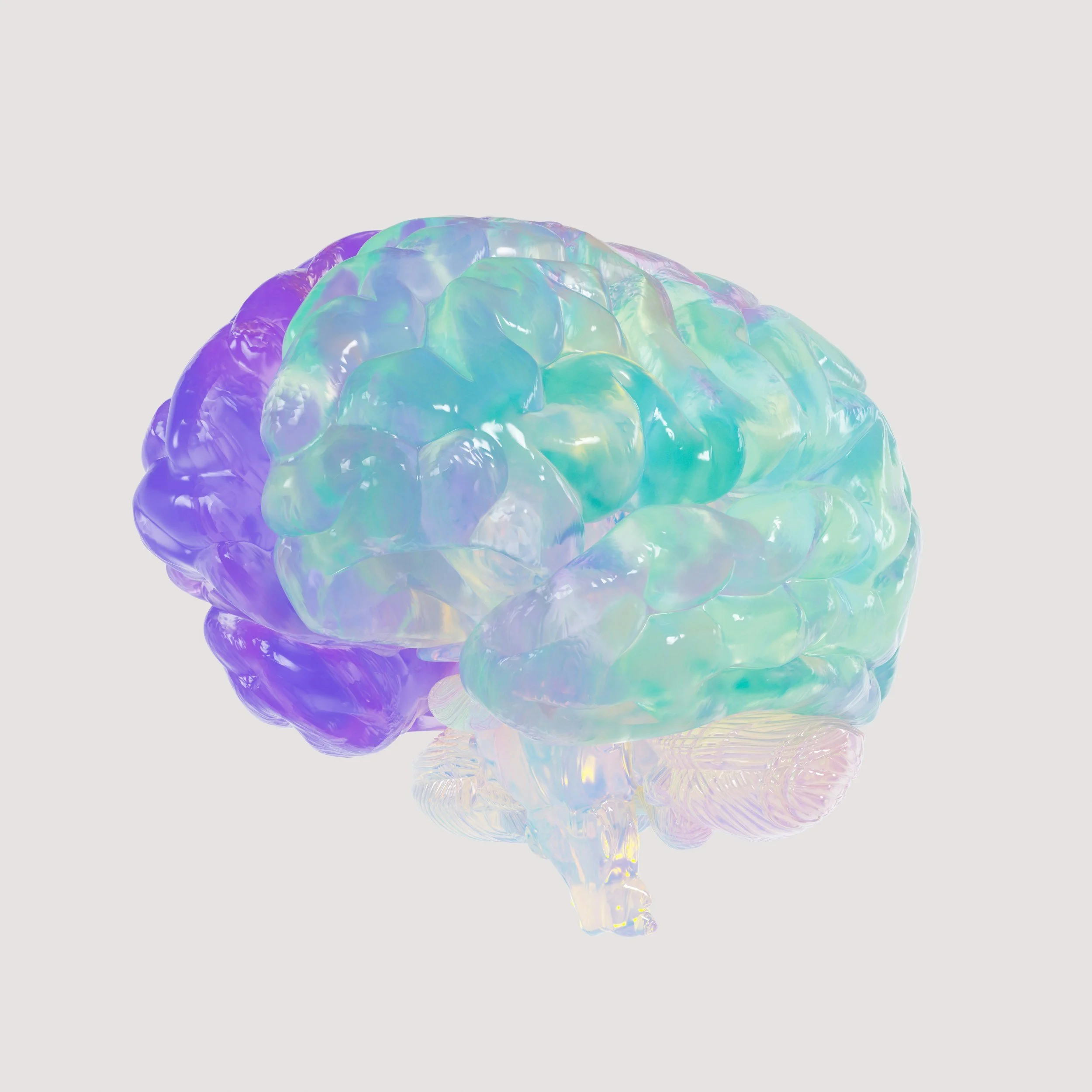
Talking isn’t the only path to healing. For many trauma survivors, speaking in detail about what happened can feel overwhelming or even impossible. Bilateral stimulation offers a different route—one that bypasses the need for storytelling while helping the brain safely process traumatic memories.

ART for Healthcare Providers After Witnessing Patient Deaths
Witnessing patient death—especially sudden or traumatic loss—can leave lasting emotional imprints on healthcare providers. ART helps clinicians process grief, intrusive memories, and emotional shock.

ART for Healthcare Leaders & Administrators Navigating Organizational Trauma
Hospital and healthcare leaders carry unique stressors—crisis management, staffing shortages, systemic failures, and organizational pressure. ART helps leaders process trauma and make clearer, grounded decisions.